
2/3/2026
Unlocking the Power of GPT: A Comprehensive Guide for Businesses in Singapore
Explore how businesses in Singapore can leverage GPT technology for AI-driven solutions. Learn about GPT features, API access, cost plans, integration, security, and industry applications.
NightCoders

What is GPT and How Does It Work?
GPT, which stands for Generative Pre-trained Transformer, is an advanced artificial intelligence language model designed to understand and produce human-like text based on input prompts. It has transformed the way businesses interact with technology by providing natural language processing capabilities that are remarkably accurate and contextually aware. The core functioning of GPT revolves around training on extensive datasets, allowing it to generate coherent, contextually relevant responses to a wide variety of text-based queries. This model excels in various tasks such as text summarization, translation, question answering, and content creation, making it invaluable to modern enterprises in Singapore.
With each successive iteration, GPT has become smarter and more nuanced. The training methodology involves supervised learning using large corpora of text from books, websites, and articles. This diverse exposure enables GPT to mimic human language patterns, making it capable of drafting emails, coding, creative writing, and even engaging in technical conversations. For businesses, leveraging GPT means gaining access to a robust virtual assistant that never sleeps and can handle customer inquiries or internal communications with a high degree of accuracy.
Accessing the GPT API: Step-by-Step Guide
Securing access to the GPT API is a critical first step for any business or developer seeking to harness the power of language AI. The process typically starts on the provider's developer portal, where you create an account, verify your email, and then generate an API key for authentication. After that, you can explore different usage plans offered, which generally range from free tiers with limited requests to scalable paid options suitable for enterprise-grade implementations.
Upon acquiring your API key, the next phase involves integrating it into your software or workflow. This usually requires making HTTP requests, specifying endpoints, and defining your prompt and parameters. Modern API documentation includes sample requests and code snippets in major programming languages, enabling even less experienced developers in Singapore to deploy intelligent chatbots or automated agents in their digital ecosystems. Regularly monitoring your API usage helps prevent unexpected costs and assures continued access based on your subscription tier.
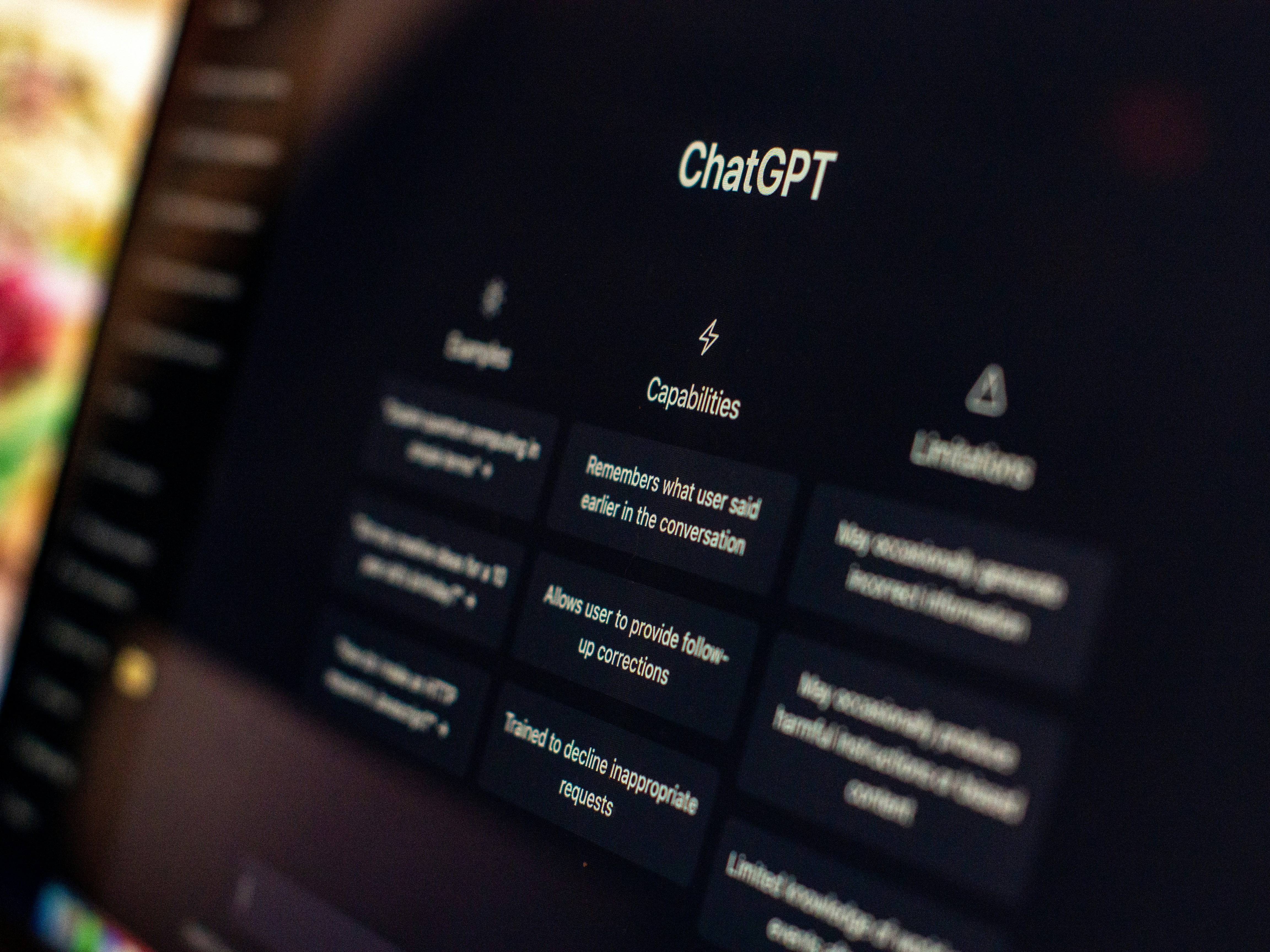
Superior Features of GPT-4 Over GPT-3
GPT-4 represents a significant leap over its predecessor due to several technical and functional advancements. Most notably, it processes longer inputs and outputs, allowing for extended conversations or document generation without losing context. This capability dramatically reduces the need to truncate content or split tasks between multiple prompts, streamlining content production and customer support in dynamic business environments.
Another key improvement lies in GPT-4's understanding of nuanced instructions and its enhanced ability to follow complex reasoning patterns. This means businesses can depend on GPT-4 for higher quality responses in sensitive or detailed domains such as legal compliance, healthcare, or personalized recommendations. Additionally, GPT-4 is engineered to reduce biases and improve safety in responses, contributing to more trustworthy AI communications—a vital consideration for customer-facing businesses in the Singaporean market.
Cost Comparison of GPT API Usage Plans
For businesses evaluating AI solutions, understanding the cost-benefit ratio of GPT API usage is critical. Providers typically offer several pricing models, starting with free tiers that limit the number of requests or tokens processed per month. Paid plans scale up based on usage and offer varying levels of support and performance guarantees. These differences can significantly impact operational costs, especially for applications requiring high volumes of content generation or customer interaction.
The flexibility of scalable pricing enables businesses to align their AI expenses with actual usage. For example, a tech startup might begin with a modest plan, upgrading only as user demand grows. Larger enterprises can negotiate custom plans for prioritized access and dedicated support. Conducting a thorough cost analysis in comparison to alternative AI solutions helps ensure the chosen plan delivers measurable value without unexpected financial strain.
Building a Custom Chatbot Using GPT: A Practical Example
Creating a chatbot with GPT involves several key steps beyond simple API access. You start by defining your chatbot’s purpose and the types of queries it should handle. Next, you design user interaction flows, ensuring that the prompts sent to GPT cover a wide variety of possible customer inputs. Integrating the API in your preferred environment (such as a web application or messaging platform) allows the bot to receive input, submit it to GPT, and relay back natural-sounding responses.
Testing and refining are essential parts of development. Businesses in Singapore typically iterate on chatbot behavior, continuously fine-tuning prompts and response handling to maximize accuracy and helpfulness. By monitoring real user interactions and employing analytics, developers can teach the bot better ways to understand local language nuances or industry-specific jargon, fostering more personalized customer support experiences. Additionally, fallback mechanisms—such as escalating complex issues to human staff—are implemented to maintain high service standards.

Crafting Effective Prompts for GPT Success
Writing effective prompts is crucial to unlocking the full capabilities of GPT-powered systems. Prompts serve as the basis for the AI’s understanding of what you want, and even small changes in phrasing can greatly influence outputs. The best practice involves being clear, concise, and context-specific, supplying any necessary details within the prompt itself rather than relying on the model to infer unstated requirements.
For example, if you want GPT to draft a formal business letter, explicitly stating the required tone, recipient, and purpose within your prompt will guide the model to generate more suitable content. Testing different prompt variations helps identify which formats yield the most accurate or creative results. Over time, collecting a library of proven prompts for different scenarios can help businesses in Singapore improve productivity and maintain consistent communication standards across teams.
Top Applications of GPT in Automating Business Operations
Businesses across Singapore are increasingly adopting GPT applications to automate a range of operational tasks. One of the most common uses is in customer support, where AI-driven chatbots handle routine questions, freeing up human agents for more complex issues. This not only reduces costs but also improves service efficiency due to 24/7 availability.
Content generation for marketing materials, blogs, and product descriptions is another area where GPT excels. Automation of these tasks accelerates the output cycle and ensures consistent messaging. Internal documentation, training materials, and knowledge base updates can also be managed by GPT, streamlining onboarding and information dissemination. Additionally, the technology is used for summarizing large datasets, extracting actionable insights, and drafting reports, helping decision-makers act swiftly on emerging trends.
Security Measures and the Handling of Sensitive Data
GPt’s integration into business processes in Singapore raises important questions around data security and privacy. The most reputable API providers prioritize security through encrypted data transmission, secure authentication protocols, and rigorous access controls. These measures ensure that sensitive customer or corporate information does not fall into unauthorized hands during the process of generating or analyzing text.
Nevertheless, best practices recommend that businesses avoid sending highly sensitive or personally identifiable information through the model unless strict controls are in place. Anonymization techniques, careful prompt engineering, and designated secure endpoints help further mitigate risks. Regular audits and compliance with regional privacy laws, such as Singapore’s Personal Data Protection Act, are vital steps in maintaining trust while leveraging GPT’s power.
Recognizing the Limitations and Risks of GPT Deployment
Despite its immense utility, GPT is not without its limitations and risks. The model occasionally produces plausible-sounding but factually incorrect answers, especially in highly specialized domains or unfamiliar contexts. Over-reliance on automated responses without human oversight can lead to the dissemination of misleading information or the mishandling of sensitive scenarios.
There are also ethical considerations in the use of AI-generated content. For example, users must clearly differentiate between human- and AI-written text, particularly in customer interactions or public communications. Depending on the use case, there may be legal implications concerning content ownership or liability for erroneous outputs. Recognizing these boundaries allows businesses to implement quality control checks and maintain credibility.
Leveraging GPT for Improved Coding and Programming Support
One of the standout applications of GPT technology is its ability to assist developers with coding and programming tasks. GPT can offer quick code snippets, explain programming concepts, and even help debug sections of code based on plain language descriptions of errors or desired outcomes. For businesses aiming to accelerate development cycles, this represents a powerful tool to complement in-house talent.
Integrating GPT into coding environments can be as simple as setting up a plugin or using the API within development workflows. By specifying programming languages and expected outcomes within prompts, developers in Singapore gain contextual help today that would have previously required much longer manual research. This greatly boosts productivity and can serve as an ongoing training tool for junior engineers.
Inspiring Creative Writing With GPT: Real-World Examples
GPT shines in domains requiring original, imaginative text, such as marketing campaigns, storyboarding, and content ideation. By supplying a brief or initial scenario, users can prompt the model to generate entire stories, ad copy, or social media posts that capture the intended voice and emotion. Businesses have found this particularly useful for brainstorming product names, developing advertising slogans, or composing scripts for multimedia projects.
For startups hoping to establish a brand identity, GPT can produce a variety of creative options quickly, offering fresh perspectives that can be edited and refined by human teams. The model’s ability to mimic different styles—from playful to formal—makes it suitable for diverse audiences in Singapore, where cultural nuance and language variety are important in reaching both local and regional markets.
Integrating GPT With Existing Enterprise Software
Successful GPT adoption often hinges on seamless integration with existing digital infrastructure. This typically involves connecting the API with business platforms such as customer relationship management systems, support desks, or communication tools. Such integrations automate repetitive tasks, increase response speeds, and ensure that AI-generated insights flow directly into operational pipelines without manual intervention.
Modern middleware solutions and pre-built plugins make the process straightforward for most popular software environments. Enterprises benefit from lowered technical barriers and short implementation timelines, enabling quick returns on investment. Ongoing monitoring and periodic upgrades ensure that GPT keeps pace with changing business needs and software updates, preserving long-term value.
GPT Compared to Other AI Language Models
While there are several AI-based language models in the market, GPT stands out based on its extensive pre-training, adaptability, and diverse real-world applications. Competing models may excel in specific linguistic domains or specialized tasks, but GPT’s breadth and depth of understanding enable it to serve multiple business purposes simultaneously. This makes it a preferred choice especially for businesses that require flexibility and scalability.
Evaluation criteria such as response speed, context retention, and ease of integration often place GPT ahead in benchmarks, particularly for companies in Singapore seeking all-in-one solutions for both customer-facing and internal applications. Its global community support and frequent updates further strengthen its position relative to niche alternatives, ensuring continuous improvement and innovation.
Inside the Training Process of GPT Models
Understanding how GPT models are trained sheds light on their capabilities and occasional shortcomings. Training involves exposing the model to massive amounts of diverse textual data, allowing it to learn the statistical patterns and associations in human language. This process uses supervised learning, reinforcement learning, and fine-tuning techniques to optimize both accuracy and safety.
The choice of data sources, frequency of updates, and engineering of training objectives all influence the resulting model’s performance. In recent years, substantial efforts have been made to remove harmful or biased content from the training data, contributing to safer and more responsible outputs. Singaporean businesses can trust that models like GPT represent some of the most carefully engineered AI systems currently in public use.
Fine-Tuning GPT for Industry-Specific Tasks
For businesses with specialized requirements, fine-tuning GPT enables customization to unique industries or functions. This process involves further training the base model on proprietary or domain-specific text datasets, making it more adept at handling particular jargon, workflows, or regulatory considerations. Fine-tuned models deliver greater accuracy and relevance, especially in fields like finance, legal services, or medical advisories.
Organizations can fine-tune GPT independently or collaborate with AI experts for optimal results. Managed fine-tuning services and comprehensive toolkits help guide the process, ensuring compliance with both technical and ethical standards. This customization makes GPT a true enterprise-grade solution for Singaporean companies looking to differentiate themselves through AI.
Managing API Errors and Effective Troubleshooting
Like any digital service, the GPT API may occasionally return errors due to malformed requests, exceeded usage quotas, or other technical issues. Standard practice involves building error handling and retry mechanisms into your software, so minor outages do not disrupt business processes. Common error messages often indicate misused endpoints, invalid authentication, or prompt formatting problems.
Maintaining a robust logging and alert system is also recommended, as it allows rapid diagnosis and resolution of incidents. Provider documentation includes detailed troubleshooting guides covering typical scenarios, making problem-solving accessible even for less experienced developers. Continuous monitoring and user feedback loops contribute to a resilient and responsive integration with GPT.
Top Plugins and Tools Built on GPT Technology
A rich ecosystem of plugins and extensions surrounds GPT, offering out-of-the-box solutions for popular platforms and workflows. These include writing assistants for productivity software, chat modules for websites, translation plugins, and business intelligence dashboards. By leveraging these tools, companies can deploy AI capabilities quickly without extensive custom development.
For example, content management plugins powered by GPT can auto-generate blog posts or summarize articles, while customer service widgets enable instant, context-aware help on websites. Third-party plugins also support analytics, compliance checks, and collaboration, enhancing productivity across business units. Businesses in Singapore benefit from this diversity by selecting solutions that match organizational needs and scale with growth.
Ethical Considerations and Responsible Use Guidelines
With the widespread adoption of GPT comes a responsibility to use the technology ethically and transparently. AI-generated content should be clearly disclosed to end-users, and usage must respect intellectual property rights and data privacy regulations. Careful review processes help ensure that outputs are appropriate for the intended audience and do not inadvertently propagate harmful information or stereotypes.
Establishing internal guidelines and ongoing ethics training for staff helps businesses navigate complex situations, such as handling sensitive topics or responding to vulnerable customers. Industry frameworks and regulatory guidance further inform best practices, supporting safe adoption across sectors in Singapore. Ethical AI deployment is essential to building public trust and ensuring long-term success.
Using GPT for Accurate Language Translation
GPT’s advanced natural language understanding makes it highly effective for translation tasks across multiple languages. By inputting content in one language and specifying the target language within the prompt, businesses can quickly obtain translations that are context-aware and stylistically appropriate. This not only accelerates global outreach but also improves the consistency and quality of multilingual communications.
However, users should be aware that translation accuracy may vary depending on language complexity, idiomatic expressions, and technical terminology. Periodic human review and localization adjustments are recommended, especially for customer-facing materials or high-stakes content. Over time, continuous prompt refinement and feedback loops help improve translation fidelity for Singapore’s diverse and multicultural environment.
Anticipated Developments in GPT Technology
The future of GPT technology promises even greater integration with human work, more robust safety controls, and broader multilingual capabilities. Ongoing research focuses on reducing response latency, expanding memory for longer conversations, and enhancing the interpretability of AI decisions. These advances will help businesses unlock new efficiencies and service offerings.
Emerging features such as real-time translation, multimodal inputs (including audio and images), and more granular customization options are expected to fundamentally change how companies in Singapore leverage AI. By staying current with these developments and investing in workforce training, forward-looking organizations can establish themselves as pioneers in the rapidly evolving digital economy.
Frequently Asked Questions
1. How can I access and start using the GPT API for my business?
Register on the provider’s developer portal, create an account, obtain your API key, and then integrate it with your software using the provided documentation. Monitor your usage to select an appropriate plan that fits your needs.
2. What are the notable advantages of GPT-4 compared to GPT-3?
GPT-4 processes longer and more complex text, offers improved context retention, follows nuanced instructions more closely, and generates more accurate and safer responses, making it exceptionally valuable for sensitive business operations.
3. Is GPT secure enough for handling confidential company data?
Most providers implement strong encryption and access control measures. However, you should avoid transmitting highly sensitive data and follow best practices for data anonymization and compliance with regulatory standards.
4. What are the limitations and risks of using GPT models?
GPT can produce plausible-sounding but inaccurate information and may not be suitable for all specialized domains without fine-tuning or human oversight. Ethical and legal considerations should also be addressed when deploying GPT.
5. How can GPT be fine-tuned for my industry or company?
Fine-tuning involves training the model on domain-specific data to improve relevance and accuracy. You can do this through managed services or using open-source toolkits, often with the support of AI experts for best results.
For expert guidance on deploying GPT solutions for your Singapore business, contact the team at via .